
Paging Dr. Robot: The Coming AI Health Care Boom
 Use of artificial intelligence in health care to grow tenfold in 5 years, say analysts—for everything from cancer diagnosis to diet tips.
(Read more about AI in healthcare on Fast Company.)Women Are Doing Better In The Star Wars Galaxy Than In This One

With Rey, Leia, Maz, and Phasma, women have achieved equality in The Force Awakens. Data shows they’ve made less progress on this planet.
(Read more on Fast Company.)“The Force Awakens” Embraces Millennials Without Pandering
 J.J. Abrams’s take on Star Wars reboots the story for a new generation, but avoids over-flattering them.
(Read about Star Wars on Fast Company.)Analyzing the Subtle Bias in Tech Companies’ Recruiting Emails
 According to linguist and cognitive scientist Kieran Snyder, empty words in documents like job descriptions could be precisely what’s hurting diversity, by discouraging people from even applying. “Everybody hates that language, but underrepresented people hate it more, probably because it’s a cultural signifier of some kind. It sort of communicates, this is an old-boy’s network kind of company.”
Read about language and gender bias on Fast CompanyThis App Provides the Care for Depression Patients That Their Doctors Don’t
 “We’re throwing pills at the problem, but we’re not giving people something to go along with those pills, which is namely the software that helps them understand: Is this working for them?” says Thomas Goetz, cofounder of patient-focused healthcare startup Iodine.
Read about Iodine on Fast CompanyHow Video Chat App Glide Got Deaf People Talking
 Glide is far from the first video-chat service: Skype was founded a dozen years ago, and FaceTime debuted on the iPhone 4 in 2010. And of course Snapchat has video. But Glide has one killer feature for deaf people: the ability to leave a video message rather than having to prearrange a live call.
Read about Glide app on Fast CompanyWelcome to the Cloud Hospital, Where Big Data Takes on Mysterious Medical Conditions
 For people with obscure conditions, sometimes called mystery diseases, UDP has been a last resort that combines weeklong medical examinations, genetic sequencing, and data analysis in an effort to finally find a diagnosis and treatment for patients who are at wit’s end.
Read more about the Cloud Hospital on Fast CompanyThe $21.8 Billion Reason Ultra-Personal Online Ads are Coming
 If only online ads were more targeted, Duggal says, everyone would be happy. “We believe that if we can show more relevant ads, it’ll be more useful for users. They will be less inclined to block them, we will have to show fewer ads, advertisers will be willing to spend more for each ad. And the revenue for publishers and data providers like us will go up.”
Read more about personalized ads on Fast CompanyHow Artificial Intelligence is Finding Gender Bias at Work
 Even managers who don’t think they are biased may be—and just their word choices can send a signal. A new wave of artificial intelligence companies aims to spot nuanced biases in workplace language and behavior in order to root them out.
Read more about AI and bias on Fast CompanyCloudFlare’s Matthew Prince Challenges Amazon For Control Of The Net
 Wearing jeans and a plaid shirt, the cofounder and CEO of CloudFlare, an Internet edge service provider (more on what that means later), describes a grand vision of sweeping changes in the Internet infrastructure market, with much of it sliding over to Amazon.
Read the rest on Fast Company
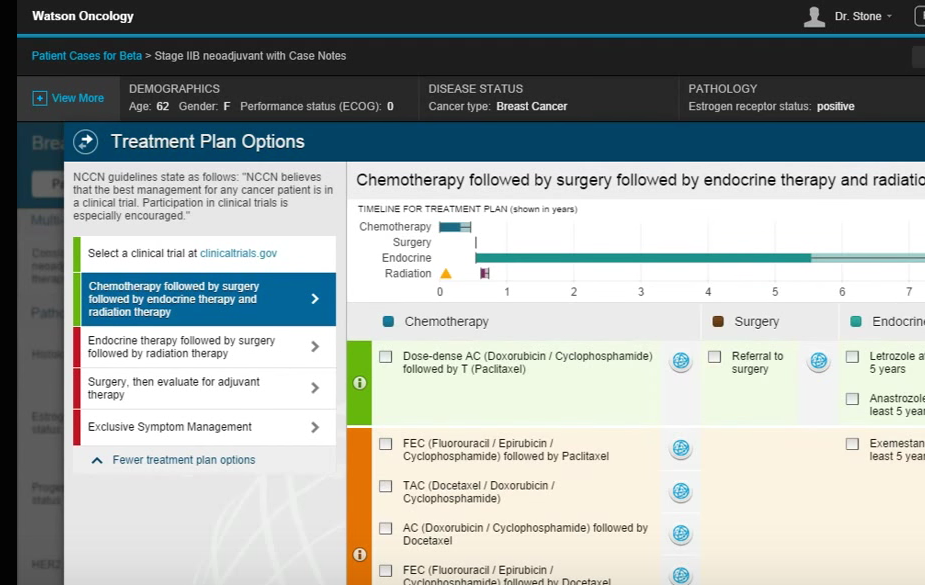 Use of artificial intelligence in health care to grow tenfold in 5 years, say analysts—for everything from cancer diagnosis to diet tips.
 J.J. Abrams’s take on Star Wars reboots the story for a new generation, but avoids over-flattering them.
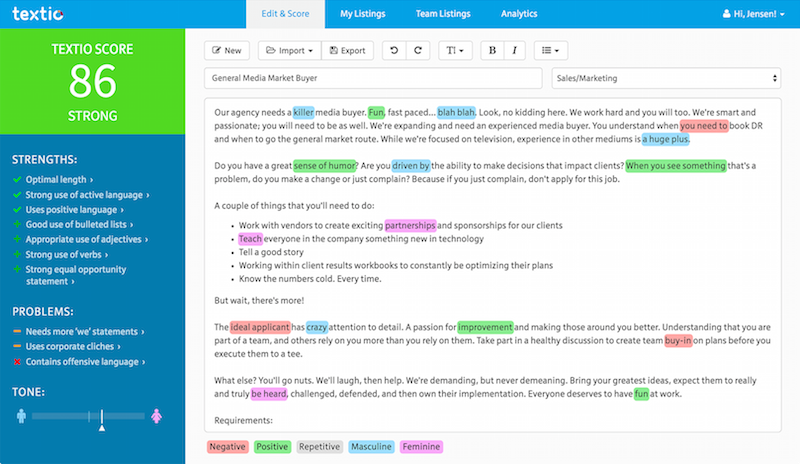 According to linguist and cognitive scientist Kieran Snyder, empty words in documents like job descriptions could be precisely what’s hurting diversity, by discouraging people from even applying. “Everybody hates that language, but underrepresented people hate it more, probably because it’s a cultural signifier of some kind. It sort of communicates, this is an old-boy’s network kind of company.”
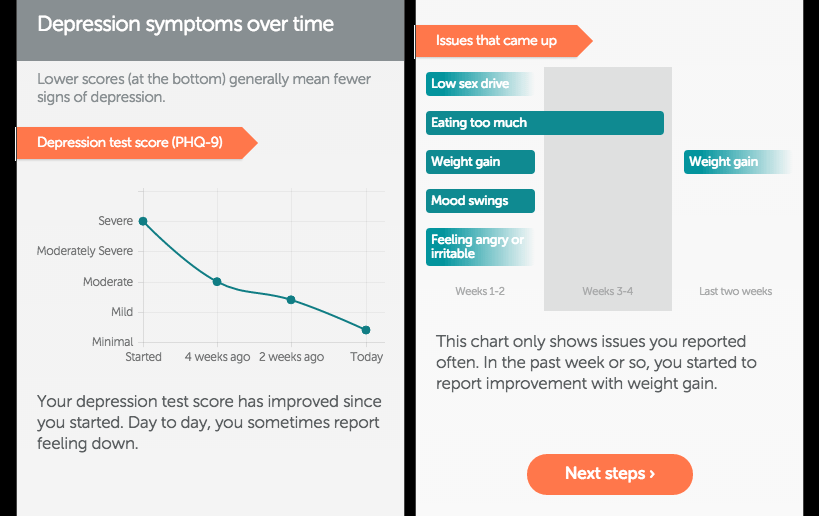 “We’re throwing pills at the problem, but we’re not giving people something to go along with those pills, which is namely the software that helps them understand: Is this working for them?” says Thomas Goetz, cofounder of patient-focused healthcare startup Iodine.
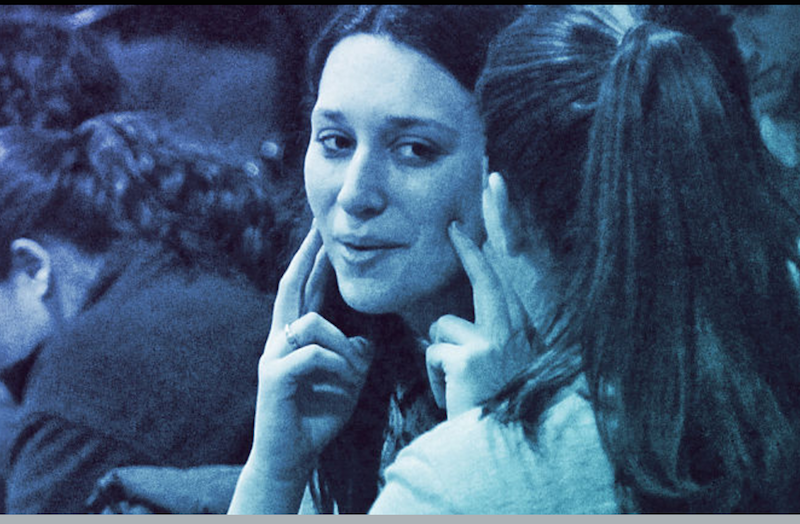 Glide is far from the first video-chat service: Skype was founded a dozen years ago, and FaceTime debuted on the iPhone 4 in 2010. And of course Snapchat has video. But Glide has one killer feature for deaf people: the ability to leave a video message rather than having to prearrange a live call.
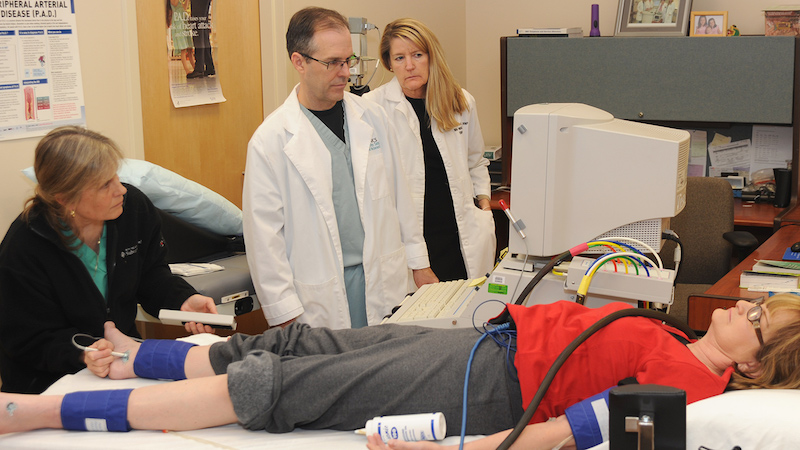 For people with obscure conditions, sometimes called mystery diseases, UDP has been a last resort that combines weeklong medical examinations, genetic sequencing, and data analysis in an effort to finally find a diagnosis and treatment for patients who are at wit’s end.
 If only online ads were more targeted, Duggal says, everyone would be happy. “We believe that if we can show more relevant ads, it’ll be more useful for users. They will be less inclined to block them, we will have to show fewer ads, advertisers will be willing to spend more for each ad. And the revenue for publishers and data providers like us will go up.”
 Even managers who don’t think they are biased may be—and just their word choices can send a signal. A new wave of artificial intelligence companies aims to spot nuanced biases in workplace language and behavior in order to root them out.